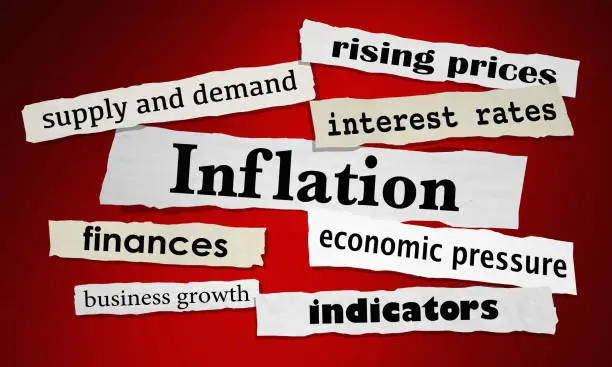
Inflation in 2025 is not just a headline number or a government statistic. For everyday Americans, especially young adults and freelancers, it shows up in subtle but powerful ways. It influences how much groceries cost, how far a paycheck stretches, and how confident people feel about their future. Many Americans in their early working years are juggling rising expenses while trying to save, invest, or simply enjoy life. This blog explores how inflation affects daily financial choices in 2025, with a focus on practical understanding and emotional awareness rather than fear.
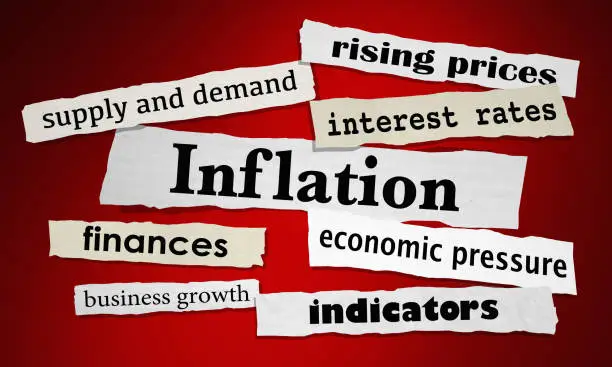
Understanding Inflation in 2025 and Why It Feels Different This Time
Inflation in 2025 feels more personal than in previous years because it touches nearly every part of daily life. Prices are not rising overnight, but they increase steadily enough to create constant pressure. For young Americans, this often coincides with early career stages, student loans, and the transition into independent living. The challenge is not just higher prices but unpredictability. When costs change faster than income, planning becomes harder. Freelancers and gig workers feel this most because their income is not fixed. Inflation now affects not only what people buy, but also how confident they feel making long-term financial decisions.
How Daily Living Costs Are Quietly Changing Household Spending Habits
Everyday expenses are where inflation feels most real. Grocery bills, utility costs, and transportation expenses slowly creep upward, forcing people to adjust without always realizing it. Many Americans in 2025 are not cutting luxuries dramatically; instead, they make small compromises. Buying fewer fresh items, delaying clothing purchases, or choosing shared subscriptions are common responses. These changes may seem minor, but over time they reshape spending behavior. Inflation encourages caution, even among young adults who would otherwise be more experimental with money. It creates a mindset of hesitation, where every purchase is questioned more carefully than before.

Rent, Housing Pressure, and the Emotional Weight of Affording a Home
Housing remains one of the biggest stress points linked to inflation in 2025. Rent increases may appear moderate on paper, but combined with higher utility and maintenance costs, they consume a growing share of income. For young Americans, this often delays moving out, upgrading living space, or considering home ownership. Inflation also affects emotional well-being. When a large portion of income goes toward housing, people feel stuck. The dream of saving for a home or even building an emergency fund feels distant. This pressure influences career choices, pushing many toward higher-paying freelance work even when it lacks stability.
Freelancers Facing Inflation With Irregular Income and Rising Expenses
Freelancers experience inflation differently from salaried workers. While employees may receive cost-of-living adjustments, freelancers must renegotiate rates or find new clients. In 2025, many freelancers struggle to match rising costs with consistent income growth. Expenses such as software subscriptions, internet services, and health insurance increase steadily. Inflation forces freelancers to become more strategic, tracking cash flow closely and prioritizing essential spending. Emotional resilience becomes as important as financial planning. The fear of unpredictable months leads many to diversify income streams, even if it means working longer hours or taking less creative projects.
Everyday Purchases That Feel Smaller but Cost More Over Time
Inflation often hides in plain sight through shrinkage and subtle price changes. Products may cost the same but offer less quantity or lower quality. This gradual shift makes budgeting harder because spending patterns look unchanged while value decreases. Young Americans often notice this in food portions, personal care items, and digital services. Over time, these small differences add up, leaving less money for savings or experiences. Inflation in 2025 teaches consumers to read labels carefully and compare value, not just price. Awareness becomes a survival skill rather than a financial hobby.
How Inflation Influences Savings, Emergency Funds, and Long-Term Confidence
Saving money during inflation feels discouraging. When interest earned on savings struggles to keep up with rising prices, the motivation to save weakens. Many young Americans feel torn between saving for the future and using money now before it loses value. In 2025, emergency funds become more important but harder to build. Inflation also affects confidence. People worry that their savings will not be enough when needed. This emotional strain often leads to short-term thinking, even among those who understand the importance of long-term planning.
Comparing Key Everyday Costs Then and Now to Understand Inflation Impact
The table below highlights how inflation subtly changes common monthly expenses, making financial pressure easier to visualize.
| Expense Category | Average Monthly Cost Earlier | Average Monthly Cost in 2025 |
|---|---|---|
| Groceries | Moderate spending | Noticeably higher spending |
| Rent and Utilities | Manageable portion of income | Larger share of income |
| Transportation | Stable fuel and travel costs | Increased fuel and upkeep |
| Digital Subscriptions | Limited monthly services | Multiple rising subscriptions |
| Health and Wellness | Occasional expenses | Regular and higher expenses |
This comparison shows that inflation is less about dramatic spikes and more about cumulative pressure across multiple areas.
Smart Money Adjustments Young Americans Are Making in 2025
Despite challenges, many young Americans are adapting thoughtfully to inflation. Instead of drastic cuts, they focus on intentional spending. Some common financial adjustments include:
- Tracking expenses weekly to catch small increases early
- Negotiating freelance rates more confidently
- Prioritizing skills that increase earning potential
- Choosing value-based purchases over impulse buying
These strategies reflect resilience rather than panic. Inflation encourages learning and financial maturity earlier in life, even if the lessons are uncomfortable.
Inflation’s Emotional Impact and the Importance of Financial Self-Compassion
Beyond numbers, inflation affects how people feel about money. Anxiety, frustration, and self-doubt are common, especially when financial goals seem harder to reach. Many young Americans blame themselves for struggles that are largely economic. In 2025, financial self-compassion becomes essential. Understanding that inflation is a shared experience helps reduce shame. Talking openly about money, adjusting expectations, and celebrating small wins can restore confidence. Emotional health and financial health are deeply connected, and inflation makes that connection impossible to ignore.
Looking Ahead With Realistic Hope Despite Inflation Pressures
Inflation in 2025 is shaping a generation that is more cautious but also more aware. While everyday Americans face higher costs and tighter budgets, they are also gaining stronger financial skills earlier in life. Freelancers learn adaptability, young workers learn negotiation, and households learn intentional spending. Inflation does not eliminate opportunity; it changes the path toward it. By understanding its impact and responding with empathy and strategy, Americans can navigate this economic phase with resilience. The key is not perfection, but progress, even in an inflated world.